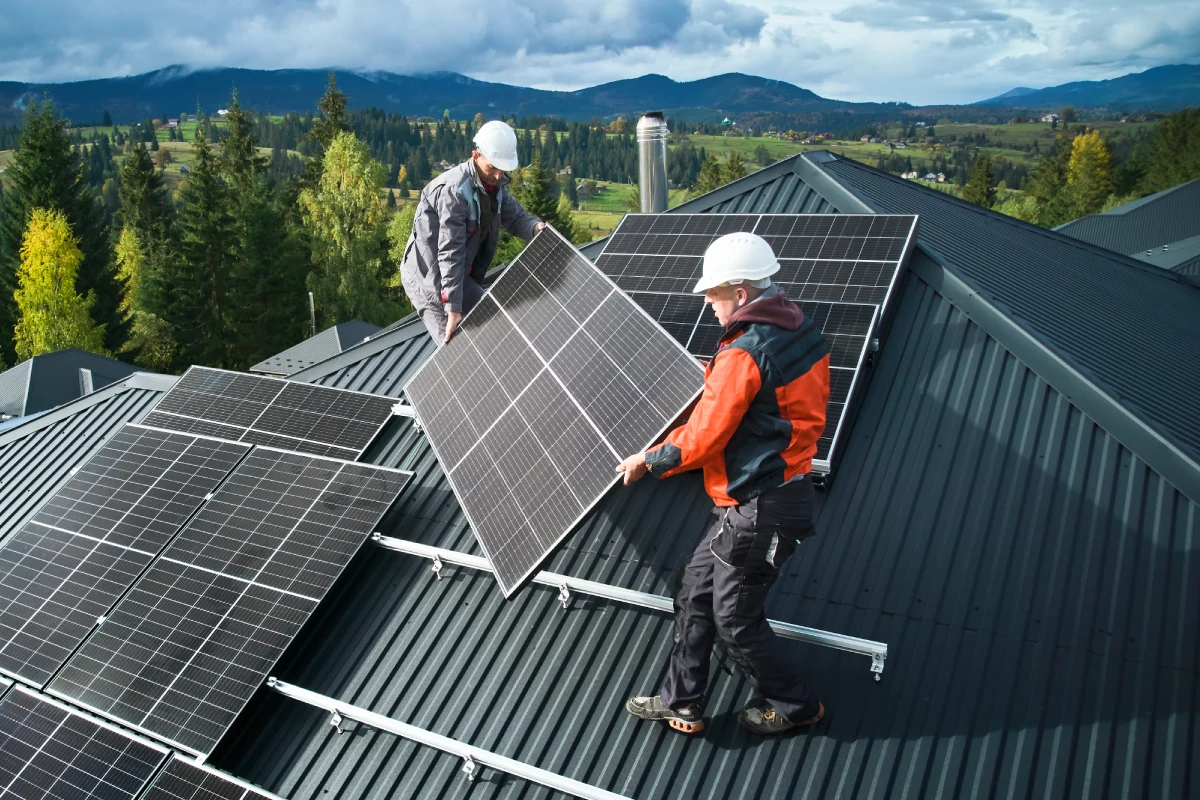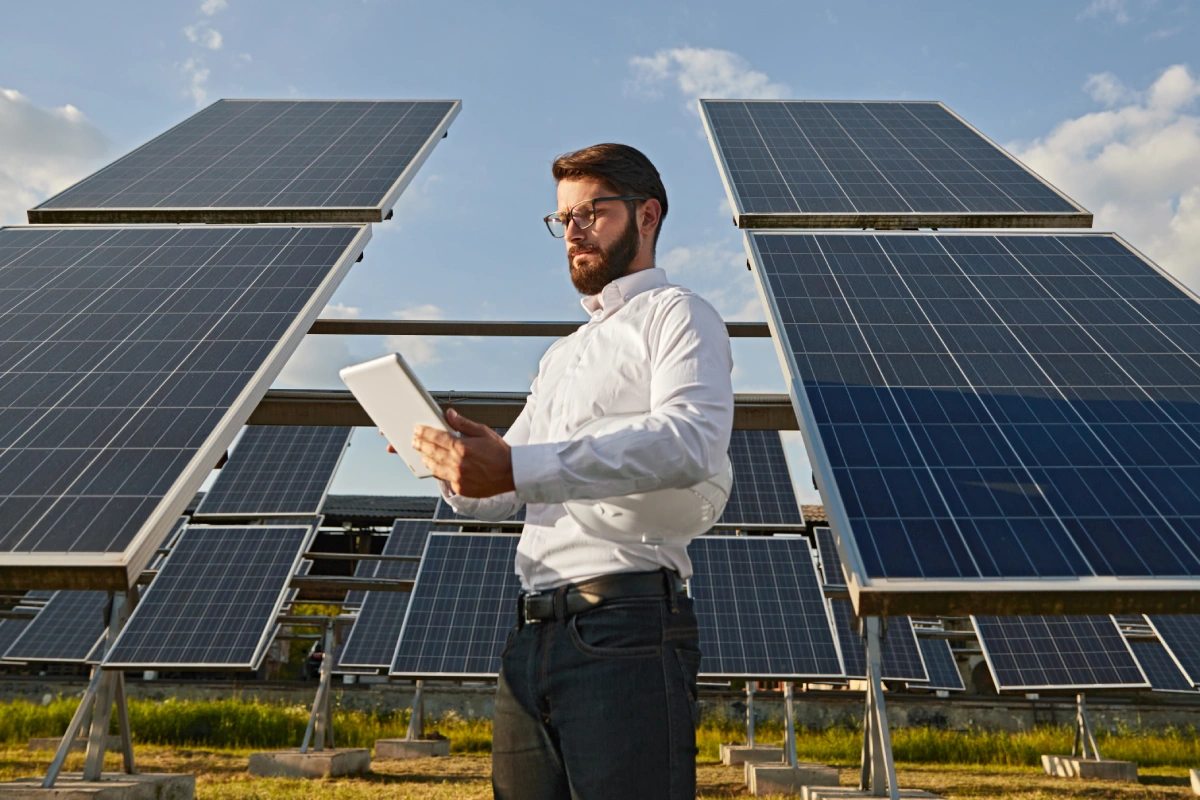
Solar panels are revolutionizing the way we generate electricity by harnessing energy from the sun. If you’re new to solar energy, this guide will help you understand how solar panels work and why they’re a great choice for renewable energy.
How Do Solar Panels Generate Electricity?
Solar panels work using photovoltaic (PV) cells, which convert sunlight into electricity. These cells are typically made of silicon and create an electric field when exposed to sunlight. The process works in several steps:
- Absorption of Sunlight
Solar panels absorb photons (light particles) from the sun. These photons excite electrons in the silicon cells, creating an electric current. - Generation of Direct Current (DC) Electricity
The movement of electrons generates direct current (DC) electricity, but most home appliances use alternating current (AC). - Conversion to Alternating Current (AC)
An inverter transforms the DC electricity into AC electricity, making it usable for household devices. - Power Distribution
The converted electricity powers your home, and any excess energy can be stored in batteries or sent back to the grid.
Benefits of Solar Panels
- Renewable & Sustainable – Uses free energy from the sun.
- Lower Electricity Bills – Reduces reliance on the power grid.
- Eco-Friendly – Cuts carbon emissions and promotes green energy.
- Low Maintenance – Requires minimal upkeep with long-lasting performance.
Final Thoughts
Solar panels provide a clean and efficient way to generate electricity. Understanding how they work can help you make an informed decision about switching to solar energy. Whether for your home or business, solar power is a smart investment for a sustainable future.
Would you like help optimizing this for SEO or adding more details?